The importance of the microbiota in cancer treatment
Tuesday 10 June 2025
Next generation sequencing (NGS) technology has allowed reducing the costs of sequencing services and technologies, this technology has the ability to sequence multiple samples and from specific genes to complete genomes, so it is a technology that is used in multiple applications such as: genetic diagnosis and clinical applications, in wildlife research, forensic medicine, among others. Among the multiple studies performed, the analysis of microorganisms by next-generation sequencing technology has allowed obtaining high quality sequences of microbiome studies in complex and diverse samples, which allowed identifying and studying non-culturable microorganisms, these studies were called metagenomics studies, which aimed to identify all the DNA from bacteria, archaea, fungi, and some protists present in complex samples such as: Soils, waters, surfaces, feces, skin among others, it has been about 20 years since the first metagenomics studies were performed (1,2), in 2003 the human genome project was completed, with which the entire human genome was sequenced, allowing the development of new treatments for genetic diseases, cancer among others.
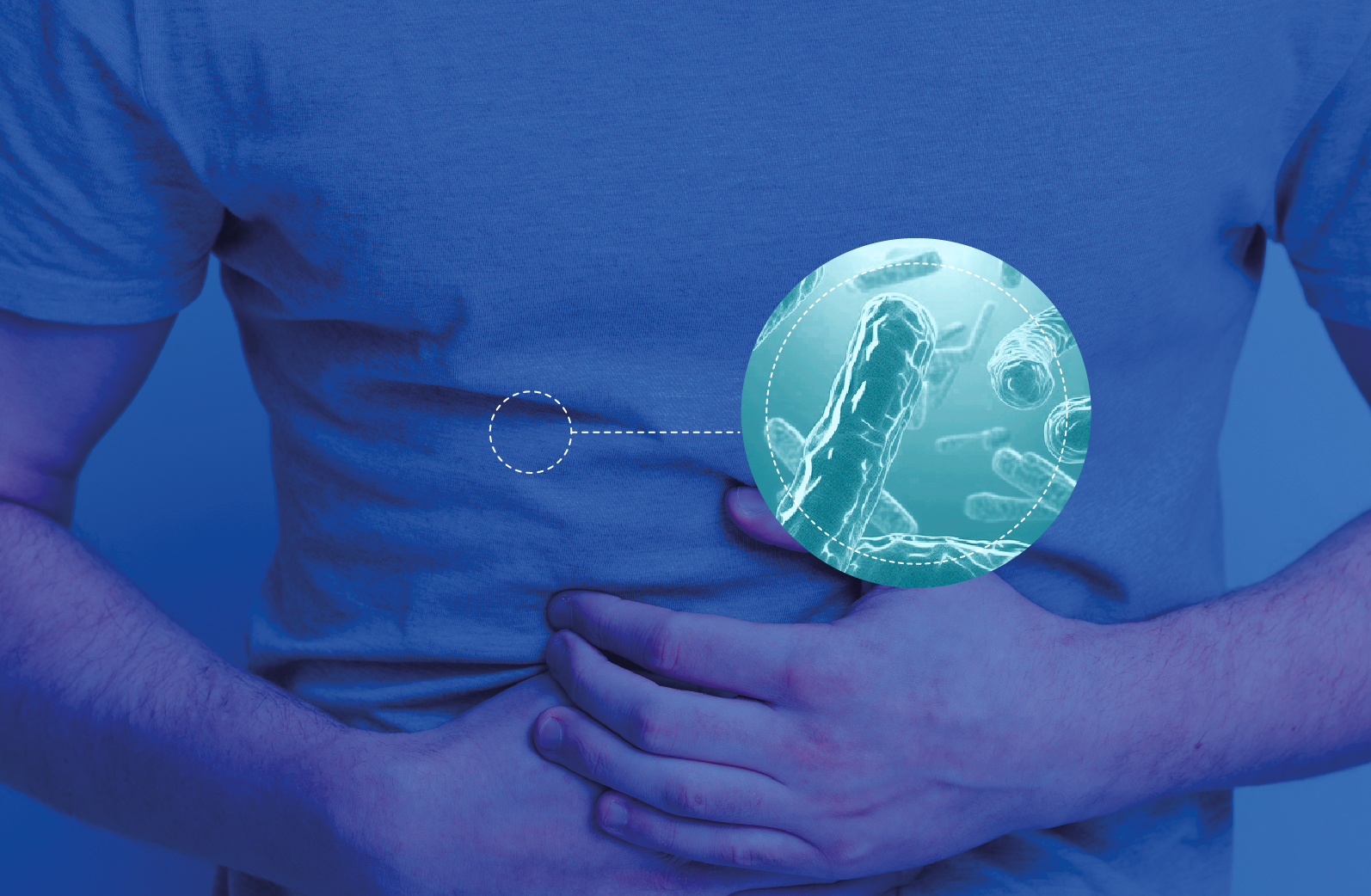
In 2008, he initiated the human microbiome project, where more than 5000 samples were collected from: body, such as mouth, nose, skin, intestine and vagina. The number of bacteria in the body has been estimated to be of the same order as the number of living cells, with a total mass of about 0.2 kg (3). In this sense, the intestinal microbiome regulates the metabolism and physiology of the host, participating in digestion and nutrient availability, and modulating immune responses. Likewise, the composition of the microbiome is influenced by genetic and environmental factors, including diet, which is considered a key regulator of the gut microbiome (4).

In the context of cancer, complex relationships with the human microbiome (also known as oncobiome) have been recognized as key factors in both disease development and modulation of treatment efficacy. The oncobiome can influence the cancer process through direct interactions with cancer cells, alterations in the tumor microenvironment (TME), or modulation of the immune response (5). Each tumor type has been found to have a different microbiome. Intratumoral bacteria, which are mostly intracellular, are present in both immune cells and cancer cells (6).
In Herrera’s study of 2024 (7) they made a summary of the microorganisms present in different parts of the body and their effect as a risk factor for the development of cancer and the microorganisms with a protective effect. Microorganisms with a risk factor effect are shown in red, and microorganisms known to have a protective effect are shown in green.

Microorganisms from different parts of the human microbiota and their effects as a risk factor and as a protective effect.
The human microbiome plays a fundamental role in the development of cancer, with both positive and negative effects, depending on the microorganisms involved. These microorganisms are closely linked to immunomodulation, cell metabolism, the correct balance of metabolic functions for digestion, among others, directly influencing cancer progression through their interaction with the immune system and cancer cells. In addition, the comprehensive description and sequencing of the microbiome and its association with cancer are essential elements to improve current cancer treatments. This approach promises to take personalized medicine to a new level, driving significant advances in the medical field and offering new hope for cancer treatment.
Bibliography
- Zhao LY, Mei JX, Yu G, Lei L, Zhang WH, Liu K, Chen XL, Kołat D, Yang K, Hu JK. Role of the gut microbiota in anticancer therapy: from molecular mechanisms to clinical applications. Signal Transduct Target Ther. 2023 May 13;8(1):201. doi: 10.1038/s41392-023-01406-7. PMID: 37179402; PMCID: PMC10183032.
- Breitbart M, Salamon P, Andresen B, Mahaffy JM, Segall AM, Mead D, Azam F, Rohwer F. Genomic analysis of uncultured marine viral communities. Proc Natl Acad Sci U S A. 2002 Oct 29;99(22):14250-5. doi: 10.1073/pnas.202488399. Epub 2002 Oct 16. PMID: 12384570; PMCID: PMC137870.
- Sender R, Fuchs S, Milo R. Revised Estimates for the Number of Human and Bacteria Cells in the Body. PLoS Biol. 2016;14:e1002533. doi: 10.1371/journal.pbio.1002533.
- Ignatiou A., Pitsouli C. Host-diet-microbiota interplay in intestinal nutrition and health. FEBS Lett. 2024 doi: 10.1002/181/1873-3468.14966.
- Miko E., Sipos A., Toth E., Lehoczki A., Fekete M., Sebo E., Kardos G., Bai P. Guideline for designing microbiome studies in neoplastic diseases. Geroscience. 2024 doi: 10.1007/s11357-024-01255-4.
- Nejman D., Livyatan I., Fuks G., Gavert N., Zwang Y., Geller L.T., Rotter-Maskowitz A., Weiser R., Mallel G., Gigi E., et al. The human tumor microbiome is composed of tumor type-specific intracellular bacteria. Science. 2020;368:973-980. doi: 10.1126/science.aay9189.
- Herrera-Quintana L, Vázquez-Lorente H, Lopez-Garzon M, Cortés-Martín A, Plaza-Diaz J. Cancer and the Microbiome of the Human Body. Nutrients. 2024 Aug 21;16(16):2790. doi: 10.3390/nu16162790. PMID: 39203926; PMCID: PMC11357655.
- Tyson GW, Chapman J, Hugenholtz P, Allen EE, Ram RJ, Richardson PM, Solovyev VV, Rubin EM, Rokhsar DS, Banfield JF. Community structure and metabolism through reconstruction of microbial genomes from the environment. Nature. 2004 Mar 4;428(6978):37-43. doi: 10.1038/nature02340. Epub 2004 Feb 1. PMID: 14961025.