Resolution 207 of 2024: A Crucial Step for Neonatal Screening in Colombia
Thursday 11 December 2025
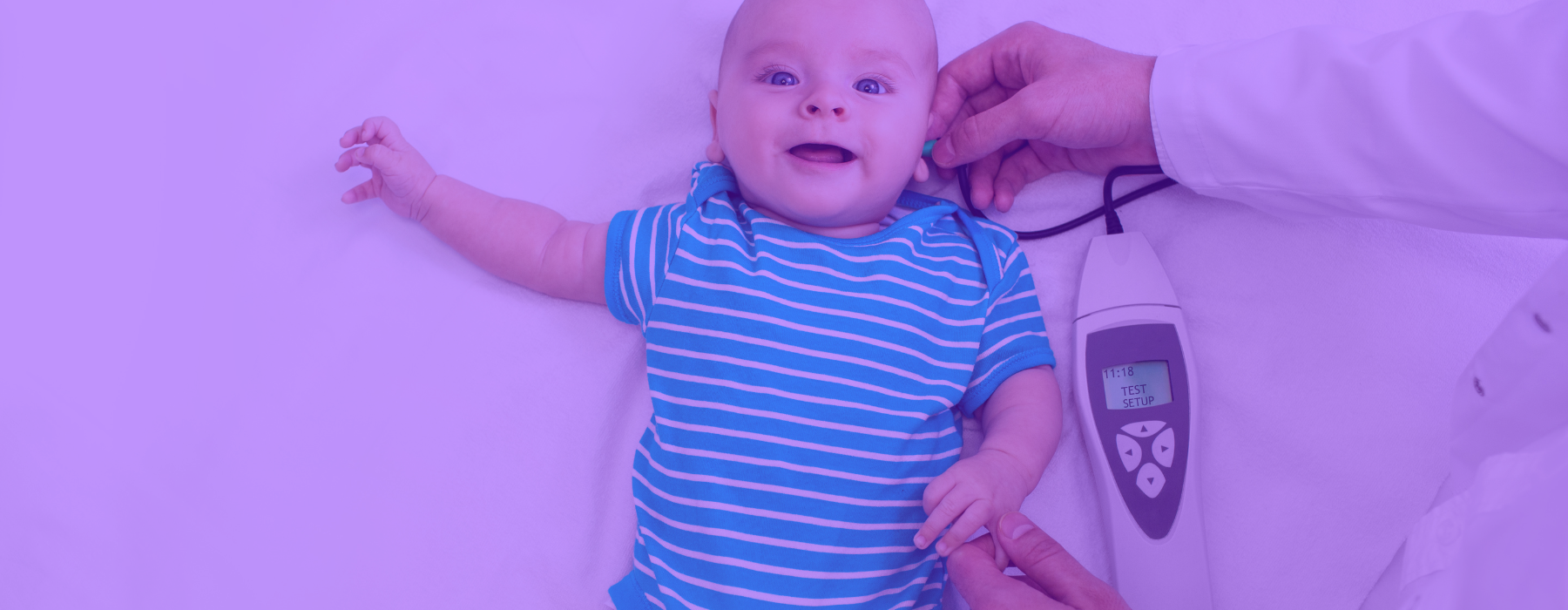
Resolution 207 of 2024, issued by the Ministry of Health and Social Protection, establishes technical and operational guidelines to implement the Neonatal Screening Program throughout the country. This standard defines what tests should be performed on each newborn, how they should be applied and what the responsibilities of health institutions are.
Its main objective is to guarantee the early and timely detection of various congenital conditions, in order to activate immediate diagnostic and therapeutic interventions, contributing to the comprehensive health of newborns and their families.
The screening lines defined within the resolution are:
– Endocrine-metabolic
– Congenital hypothyroidism
– Neonatal hearing screening
– Neonatal visual screening
– Detection of congenital heart disease
Why is this resolution important?
Neonatal screening is one of the most cost-effective public health interventions in the world. Detecting a congenital disease before symptoms appear completely changes the child’s prognosis, avoiding physical, intellectual or sensory disabilities, reducing hospitalizations, severe complications and thereby preventing deaths as a result of timely and timely treatments.
Resolution 207 of 2024 seeks to make this opportunity available to all newborns in the country, regardless of their region, EPS or socioeconomic condition.

Implementation challenges
Although the resolution is a significant advance, its execution implies challenges that the system must address, such as strengthening laboratories and diagnostic capacity that allows tests to be implemented in the first 48 to 72 hours in both urban and rural areas. Screening is only the first step, the government must consolidate effective networks for diagnostic confirmation, timely access to specialists and continuous treatments.
Institutional and operational implementation
– The program is applied through the entities of the health system: EPS, IPS, accredited laboratories, and institutions that make up the National Laboratory Network.
– The role of the National Institute of Health (INS) as the National Coordinating Center for screening: it will define guidelines, coordinate the National Laboratory Network, and advise through expert tables.
– It is articulated with the public health surveillance system (SIVIGILA) for monitoring congenital defects and notification of cases.
– Informed consent must be requested and protection of the best interests of the child regulates the ethical aspects of the minor, where the representativesnewborns should receive clear and sufficient information about screening.
– In case of rejection of screening by the representatives, the health professional may decide to carry it out if he or she considers it to be in the best interest of the child, leaving a record in the medical history.
Potential impact: health, equity and prevention
If the standard is implemented efficiently, the Neonatal Screening Program can have a profound and positive impact on several fronts:
– Facilitates the timely detection of congenital diseases, many of them treatable if diagnosed early, which can reduce infant mortality, disabilities, and improve quality of life.
– Establishes a national, homogeneous and systematic standard for neonatal screening.
– Strengthens the state responsibility to guarantee the right to health and the special protection of children and adolescents.
– Savings in long-term health costs, since early treatments are usually cheaper than palliative care or late interventions.
– Promotion of health equity, guaranteeing fundamental rights such as health, especially for vulnerable populations or in remote areas.

Resolution 207 of 2024 marks a milestone for children’s health in Colombia. It is a commitment to prevention, equity and evidence-based early intervention. Its success will depend on the health system’s ability to guarantee real, uniform and high-quality implementation in all territories.
This program represents a commitment as a country where it is expected that no newborn will face a detectable and treatable disease without having the opportunity for early diagnosis. It is, ultimately, an act of health justice that can transform lives from the beginning.