Antibiotics at risk: an urgent call for responsible health management in Colombia
Monday 24 November 2025
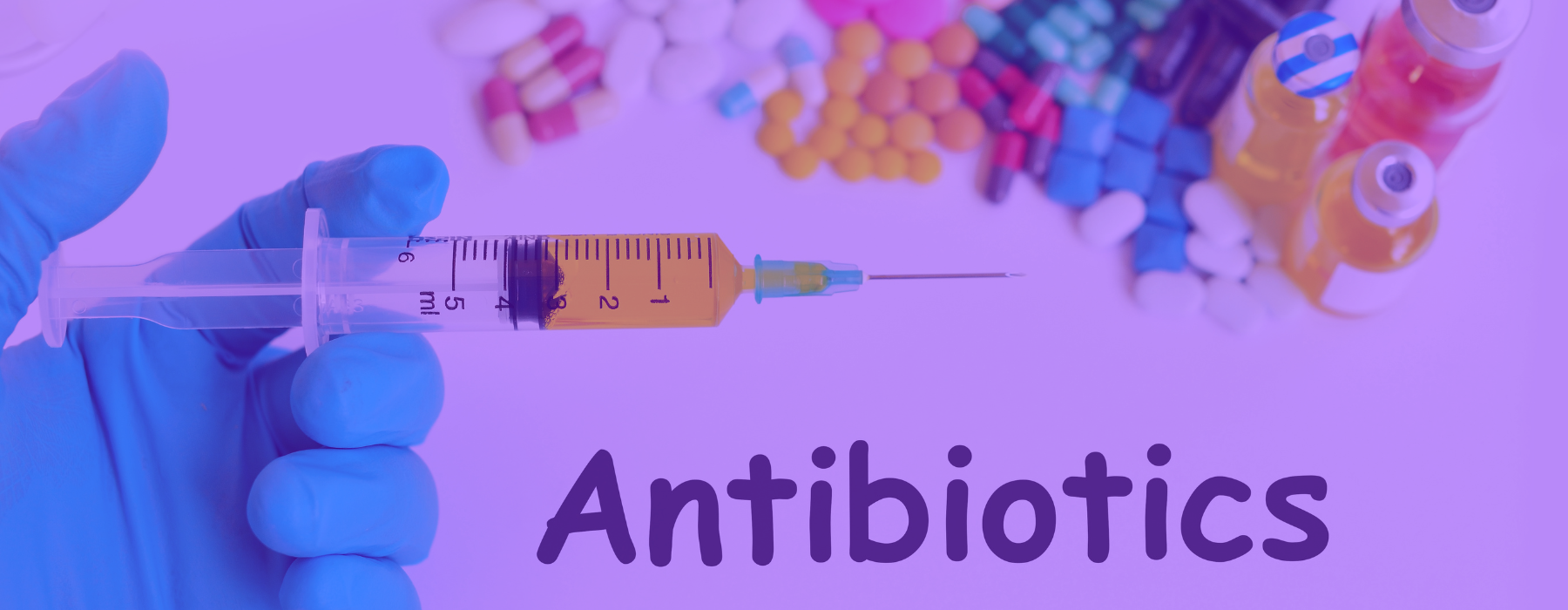
Antibiotic resistance is no longer a future threat; it is now a reality that today redefines the way in which health systems manage infections, resources, surveillance and public policies. According to the World Health Organization (WHO), resistant bacteria cause more than 700,000 deaths per year, and it is projected that, without intervention, this number could exceed 10 million by 2050. In Latin America, antimicrobial behavior has shown accelerated growth, especially in bacteria associated with the hospital environment such as Klebsiella pneumoniae, Pseudomonas aeruginosa, Escherichia coli andAcinetobacter baumannii.
In this context, World Antibiotic Awareness Week celebrated between November 18 and 24 is a strategic opportunity for the scientific community, health professionals, institutions, administrative leaders and the general population to reflect on their role in preserving antimicrobials as a critical and, above all, limited resource.
This article invites us to understand the phenomenon from the perspective of health management, analyzing clinical, economic and social implications, proposing concrete actions that strengthen the response from hospitals, laboratories, government entities and citizens.
Antimicrobial resistance: what is it and why is it accelerating?
Antibiotic resistance is the ability that bacteria develop to survive against drugs that historically managed to eliminate them. Although it is a natural process, indiscriminate use and selective pressure generated by inadequate clinical practices, self-medication, lack of regulation, diagnostic errors and excessive veterinary use have accelerated its appearance.

Factors driving resistance in Latin America and Colombia:
– Frequent self-medication:up to 50% of people who consume antibiotics do so without a medical prescription.
– Inappropriate prescription: studies report that between 30% and 60% of antibiotics prescribed in emergency departments have no clear indication.
– In-hospital infections: high rates of multidrug-resistant bacteria in the ICU.
– Insufficient control in livestock and aquaculture:use of antimicrobials as growth promoters.
– Inequality in access to diagnosis: absence of molecular tests or different culturesilcultates precise therapies.
The result is agents that are increasingly difficult to treat, more expensive and prolonged treatments, and a direct impact on mortality and the sustainability of the health system.
Health and economic impact: a challenge for health management
Antimicrobial resistance is not just a clinical problem; It is a management challenge that affects each component of the system. At the hospital level, ICU stays are extended, which increases costs per patient (up to 3–4 times more), and increases mortality, especially in Gram-negative infections resistant to carbapenems. This requires robust surveillance, infection control and rational use protocols.

At an administrative level, it is important to keep in mind that last-line antibiotics are more expensive, and the need for specific diagnostic tests (PCR, syndromic panels, phenotyping) has increased, increasing operating costs, which requires constant investment in Antimicrobial Stewardship (AMS) or Antimicrobial Use Optimization Programs (PROA).
The role of Antimicrobial Use Optimization Programs (PROA)
The PROAs constitute the heart of the strategy to contain the resistance. Its goal is to ensure that each antibiotic is used only when needed, at the right dose, at the right time, and for the right infection.
The modern PROA is mainly made up of a multidisciplinary team (infectology, microbiology, pharmacy, epidemiology and medical management). It is mainly based on:
– Evidence-based guidelines: adapted to the local epidemiology of the hospital.
– Audits and feedback to the prescriber: fundamental pillar of continuous improvement.
– Epidemiological indicators: resistance rates, antibiotic consumption, days of therapy (DOT).
– Integration with clinical-molecular diagnosis: cultures, rapid tests and syndromic panels.
– Continuing education: medical population, nursing and students.
A functional PROA reduces the inappropriate use of antibiotics by up to 30%, and significantly reduces the appearance of multi-resistant bacteria.
The clinical laboratory: a strategic ally

For a long time, the role of the clinical laboratory in antimicrobial resistance was underestimated. Today it is evident that their participation is critical, their main functions are the precise identification of pathogens, carrying out updated antibiograms under esCLSI or EUCAST standards, generation of local epidemiological bulletins that guide the prescription, implementation of molecular tests to detect resistance genes and surveillance of hospital outbreaks, this will allow them to generate support for therapeutic decision-making in real time.
Education and culture of responsible use: the biggest challenge
Implementing policies is important, but transforming the culture of the population is essential. The WHO recognizes that behavioral change in doctors, students, patients and caregivers is the most powerful and most difficult tool to control resistance. Some awareness strategies are:

Innovations 2025: new tools against resistance
Science advances and brings fresh opportunities, new emerging solutions such as:
– Targeted phagotherapy: viruses that attack specific bacteria.
– CRISPR-based therapies: genetic editing to eliminate resistance plasmids.
– Antibacterial nanotechnology: nanoparticles with multitarget mechanisms.
– Synthetic antimicrobials (AMS): compounds modulated by AI.
– Clinical AI systems: real-time therapeutic recommendation based on historical antibiograms and local epidemiology.
– Vaccines against resistant pathogens: Klebsiella, Staphylococcus aureus,Pseudomonas (in development).
Although still in experimental or clinical phases, these tools will change the way we confront resistance in the next decade.
A call to action: what we can do from each level

Antimicrobial resistance is a challenge that does not allow indifference. It is a complex, multisectoral and urgent problem, but also an extraordinary opportunity to strengthen health management, raise the level of clinical practice, modernize laboratories, educate citizens and unify efforts under the One Health approach. World Antibiotic Awareness Week reminds us that the power to change this story is in our hands.
Preserving these medications is not only a responsibility; It is an act of love for life, science and the generations that depend on us acting responsibly today.
Bibliography
– World Health Organization (WHO). (2024). Antimicrobial resistance: Global report and updates. WHO Press.
– Pan American Health Organization (PAHO). (2023). Antimicrobial resistance in the Americas: Informationregional order.
– Centers for Disease Control and Prevention (CDC). (2024). Antibiotic resistance threats in the United States.
– European Center for Disease Prevention and Control (ECDC). (2024). Surveillance of antimicrobial resistance in Europe, 2023 data.
– World Health Organization (WHO). (2024). World AMR Awareness Week: Campaign materials and key messages.
– National Institute of Health (INS) – Colombia. (2024). Epidemiological bulletin of antimicrobial resistance. https://www.ins.gov.co